
Author name: Promote Bulgaria

Khan Krum — The Lawgiver and Warrior Bulgaria

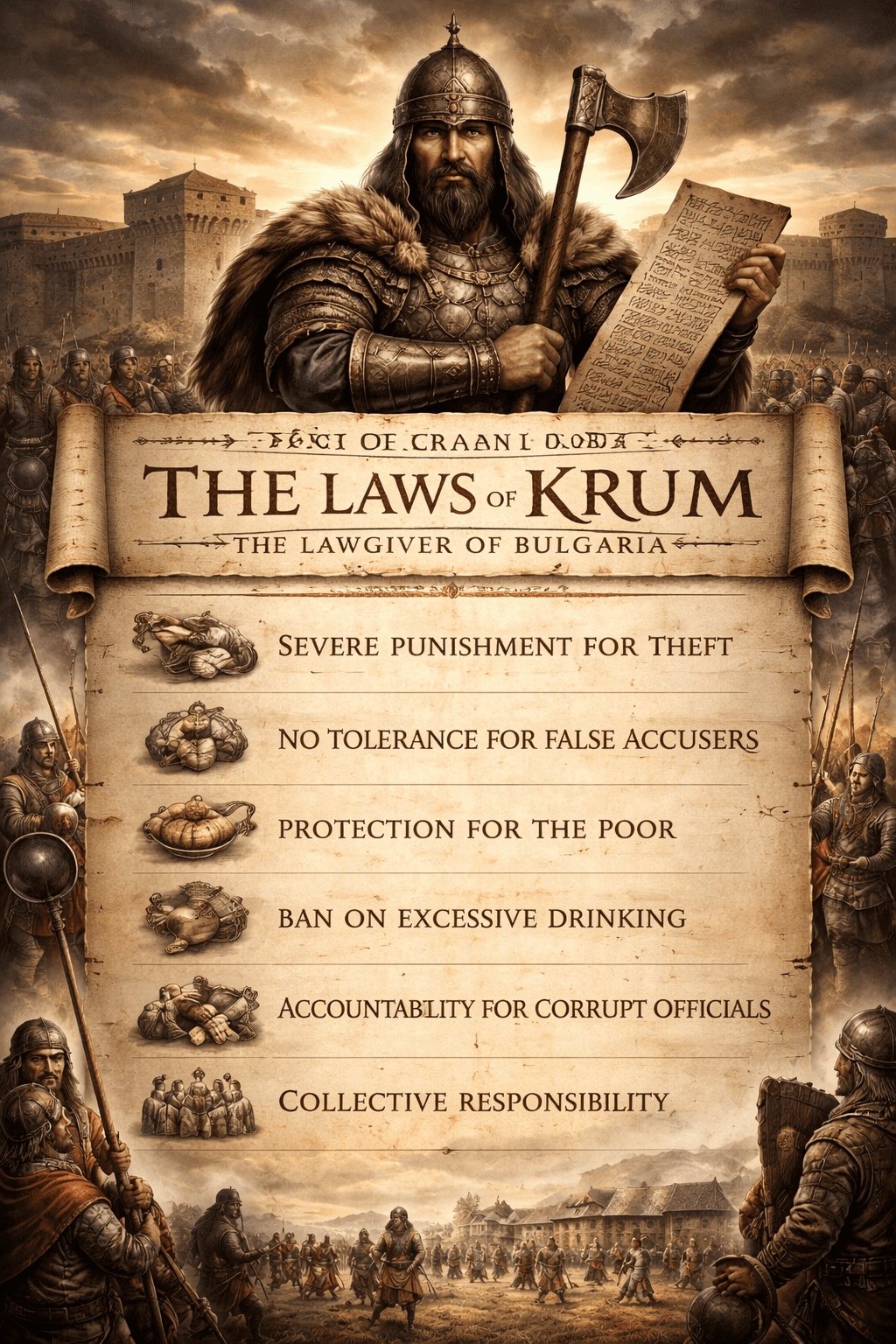
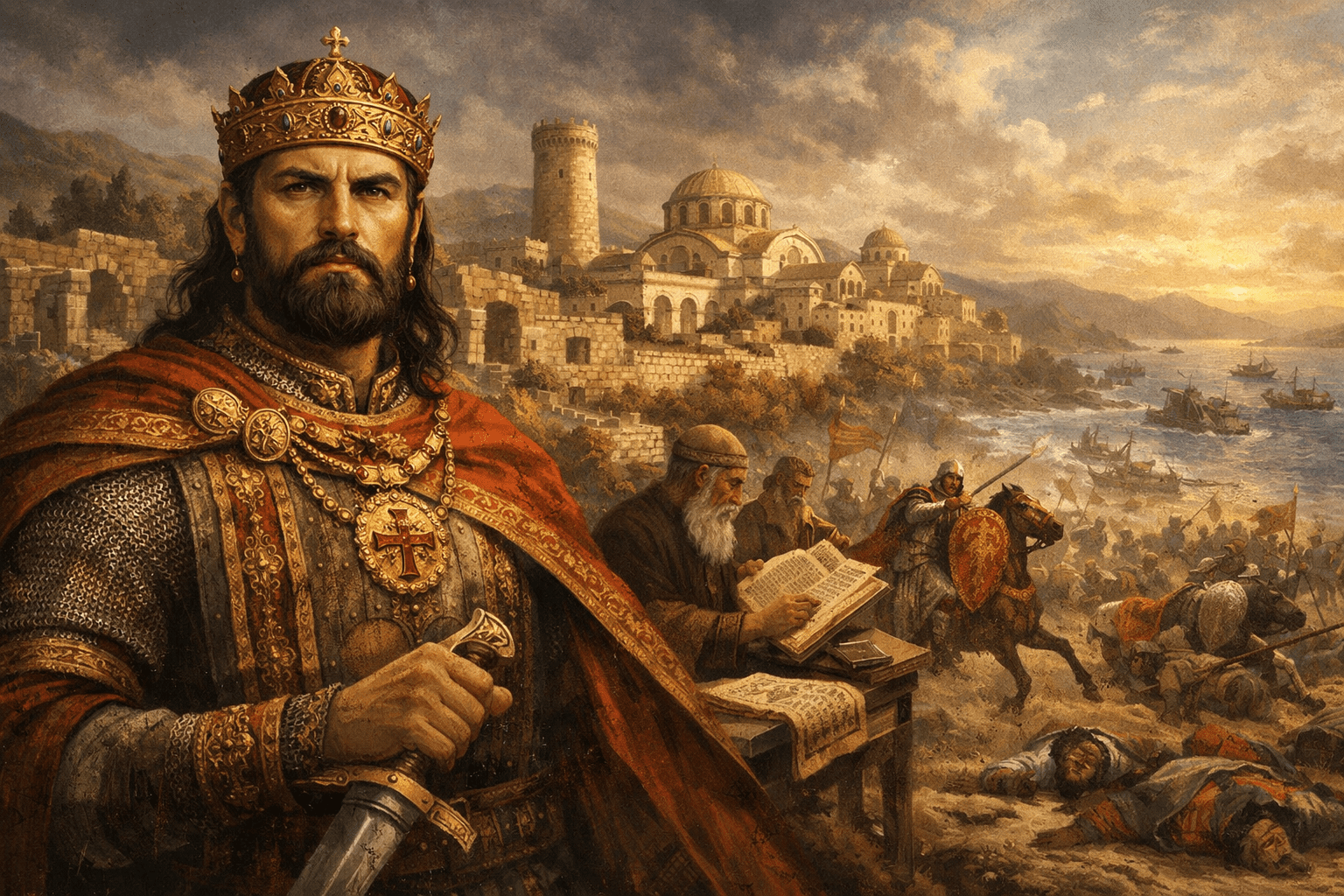
Introduction Khan Krum stands among the most powerful and influential rulers in early medieval Europe. Reigning from 803 to 814 AD, he transformed Bulgaria from a developing state into a dominant regional power. His leadership combined military brilliance with strict legal reform, proving that true strength lies not only in conquest, but in order and governance. Rise to Power Krum ascended the throne during a time of instability. Bulgaria faced both internal fragmentation and constant pressure from the Byzantine Empire. Through decisive leadership, he unified tribes and strengthened central authority, preparing the state for expansion and resilience. Expansion and Military Success One of Krum’s earliest achievements was the destruction of the Avar Khaganate, which opened vast territories to Bulgarian control. This victory significantly increased Bulgaria’s influence in Central and Eastern Europe. His most famous triumph came in 811 AD, when he defeated and killed Emperor Nikephoros I at the Battle of Pliska. The death of a reigning Byzantine emperor on the battlefield was unprecedented and sent shockwaves throughout the medieval world. The Laws of Krum — Building a State Khan Krum’s legal reforms are among the earliest known in Bulgarian history. Although the original written code has not survived, his laws are preserved through Byzantine sources such as the Suda and the writings of Constantine VII Porphyrogenitus. Key Laws with Historical Context Severe punishment for theft “If anyone accuses another of theft, he shall not be heard until he is bound; and if the accusation proves false, the accuser shall be put to death.”— based on the Suda No tolerance for false accusations “Let no one bring an accusation lightly; for false accusers shall suffer the punishment they intended for others.” Protection for the poor “Let the poor be sustained, that there be no beggars in the land.” Measures against drunkenness “He ordered the vineyards to be cut down, so that drunkenness might cease among the people.”— Constantine VII Porphyrogenitus Punishment for corruption “Those who take bribes shall be punished without mercy.” Collective responsibility “If a crime is committed, the whole community shall answer for it.” Why His Laws Mattered Krum’s laws played a crucial role in transforming Bulgaria from a loose tribal union into a structured and centralised state. By enforcing discipline, reducing internal conflict, and strengthening authority, they allowed Bulgaria to grow into a major power. Strengthening the Capital Krum fortified Pliska, turning it into a strong political and military centre. Its massive walls symbolised the stability and strength of his rule. Legacy Khan Krum’s reign marked a turning point in Bulgarian history. His combination of military success and legal reform laid the groundwork for future rulers such as Tsar Simeon the Great, under whom Bulgaria would reach its cultural and territorial peak. Conclusion Khan Krum was more than a conqueror—he was a lawgiver and state-builder. His legacy lies in the balance he achieved between strength and order. Through discipline, justice, and vision, he transformed Bulgaria into a respected and formidable power in medieval Europe. Хан Крум — законодателят и владетелят, който изгради България Въведение Khan Krum е един от най-силните и значими владетели в ранносредновековна Европа. Управлявайки между 803 и 814 г., той превръща България от развиваща се държава в доминираща сила. Неговото управление съчетава военен гений и строги закони, доказвайки, че истинската мощ идва не само от завоеванията, но и от реда. Възход към властта Крум се възкачва на престола в период на нестабилност. България е под натиск от Византийската империя, а вътрешно е разпокъсана. Чрез решителни действия той обединява племената и укрепва централната власт. Разширение и военни успехи Едно от първите му постижения е разгромът на Аварския хаганат, което отваря нови територии за България. През 811 г. той постига знаменита победа, като разбива и убива император Никифор I Геник при битката при Плиска — събитие с огромен отзвук в Европа. Законите на Крум — основа на държавността Законите на Крум са едни от първите известни в българската история. Те достигат до нас чрез византийски източници като „Суда“ и трудовете на Константин VII Багренородни. Основни закони с исторически контекст Строги наказания за кражба „Ако някой обвини друг в кражба, нека бъде вързан; ако обвинението е лъжливо — обвинителят да бъде наказан със смърт.“ Без толеранс към лъжливи обвинения „Никой да не обвинява лекомислено; лъжливите обвинители да понесат наказанието, което са искали за другите.“ Закрила на бедните „Бедните да бъдат подпомагани, за да няма просяци в държавата.“ Ограничаване на пиянството „Заповядал да се изсекат лозята, за да се прекрати пиянството сред народа.“— Константин VII Багренородни Наказания за корупция „Тези, които вземат подкупи, да бъдат наказвани без пощада.“ Колективна отговорност „Ако бъде извършено престъпление, цялата общност да отговаря за него.“ Значение на законите Законите на Крум превръщат България в централизирана и добре организирана държава. Те намаляват престъпността и укрепват властта. Укрепване на столицата Крум укрепява Плиска и я превръща в силен държавен център. Наследство Неговото управление поставя основите за владетели като Цар Симеон Велики, при които България достига своя разцвет. Заключение Хан Крум не е просто завоевател — той е законодател и държавник. Чрез ред и сила той изгражда основите на могъща България.

Musala Peak – The Roof of Bulgaria

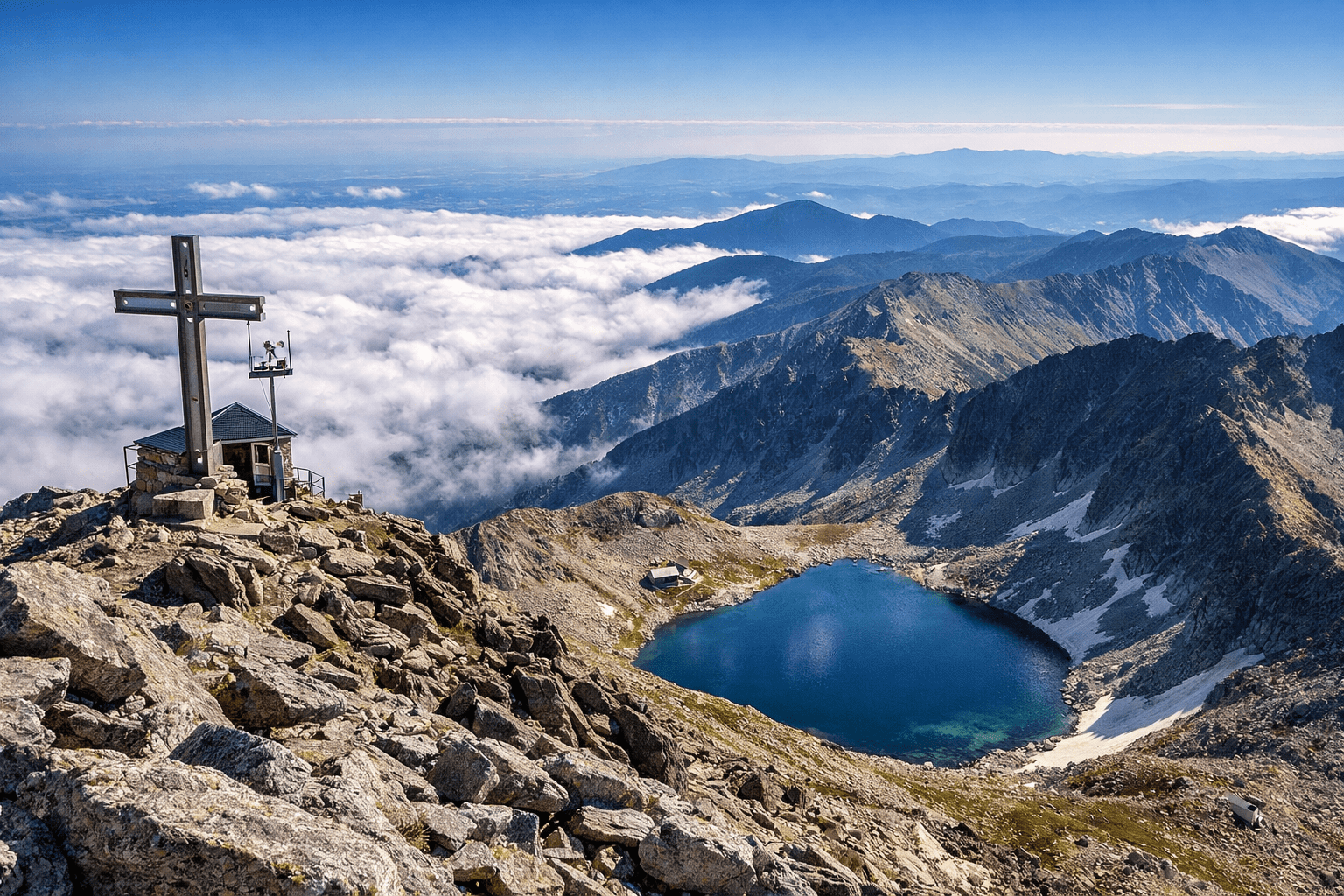
Rising to an impressive 2,925 metres, Musala Peak stands as the tallest mountain in Bulgaria and the entire Balkan Peninsula. Located in the majestic Rila Mountains, Musala is a symbol of natural beauty, challenge, and national pride. A Name Close to the Heavens The name “Musala” is believed to derive from Arabic, meaning “close to God.” This reflects both its towering height and the profound sense of awe experienced by those who reach its summit. Nature at Its Purest Musala lies within Rila National Park, a protected area known for its breathtaking landscapes and rich biodiversity. The region is home to glacial lakes, rugged alpine terrain, and rare plant and animal species. One of the most notable природни забележителности is Ledeno Ezero (The Icy Lake), situated just below the summit—one of the highest lakes in the Balkans. The Journey to the Top Most hikers begin their ascent from the famous resort of Borovets. A lift takes visitors to Yastrebets, from where the hike continues on foot. The route is accessible for beginners with good preparation, although weather conditions can change quickly. A Place of Extremes At the summit, you will find one of Bulgaria’s highest meteorological stations. Weather on Musala can be unpredictable, with sudden fog, strong winds, and rapid temperature drops—even during summer months. Why Musala Matters Climbing Musala is more than a physical achievement—it is an encounter with Bulgaria’s wild, untouched beauty. From the summit, visitors are rewarded with sweeping panoramic views that stretch across the Rila Mountains and beyond. For anyone seeking adventure, tranquillity, or a deeper connection with nature, Musala offers an unforgettable experience at the very top of the Balkans.

Tsar Simeon the Great — The Golden Age of Bulgaria

Introduction Simeon I of Bulgaria, known as Simeon the Great, was one of the most powerful and influential rulers in Bulgarian history. His reign (893–927) marked a period of extraordinary cultural, political, and military achievements, often referred to as the Golden Age of Bulgaria. Early Life and Education Simeon was born around 864, the son of Boris I of Bulgaria. Unlike many medieval rulers, he was highly educated and spent part of his youth in Constantinople, where he studied theology, rhetoric, and philosophy. This education deeply influenced his vision for Bulgaria as a centre of culture and learning. Rise to Power In 893, Simeon ascended to the throne after his brother Vladimir was deposed. One of his first major acts was to move the capital to Preslav, transforming it into a magnificent cultural and political hub. Military Achievements Simeon was not only a scholar but also a formidable military leader. His reign saw numerous conflicts with the Byzantine Empire, culminating in his greatest victory at the Battle of Achelous. This decisive triumph established Bulgaria as the dominant power in the Balkans. Cultural Flourishing Under Simeon’s rule, Bulgaria experienced an unparalleled cultural renaissance. Literature, art, and architecture flourished. The Cyrillic literature developed rapidly, and scholars produced translations of religious texts as well as original works. The Preslav Literary School became a beacon of Slavic culture, spreading literacy and Orthodox Christianity across Eastern Europe. Legacy Simeon adopted the title “Tsar” (Emperor), asserting equality with Byzantine rulers. By the time of his death in 927, Bulgaria had reached its territorial and cultural peak. His reign remains a symbol of national pride and intellectual achievement. Цар Симеон Велики — Златният век на България Въведение Симеон I Велики, известен като Цар Симеон Велики, е един от най-значимите владетели в българската история. Неговото управление (893–927 г.) бележи период на изключителен културен, политически и военен разцвет, наричан Златният век на България. Ранни години и образование Симеон е роден около 864 г. като син на Борис I Михаил. За разлика от много средновековни владетели, той получава високо образование и прекарва част от младостта си в Константинопол, където изучава богословие, реторика и философия. Възкачване на престола През 893 г. Симеон заема престола след свалянето на брат си Владимир. Едно от първите му значими решения е преместването на столицата в Преслав, която превръща в блестящ културен и политически център. Военни успехи Симеон е не само учен, но и изключителен пълководец. Управлението му е белязано от множество конфликти с Византийската империя, като най-голямата му победа е при Битката при Ахелой. Тази победа утвърждава България като водеща сила на Балканите. Културен разцвет По време на управлението на Симеон България преживява истински културен подем. Развиват се литературата, изкуството и архитектурата. Кирилска книжнина се утвърждава и разпространява. Преславска книжовна школа се превръща в средище на духовност и просвета, оказвайки влияние върху целия славянски свят. Наследство Симеон приема титлата „цар“, поставяйки се наравно с византийските императори. Към края на управлението му България достига своя териториален и културен връх. Днес той остава символ на величие, знание и национална гордост.

The Invention of the Cyrillic Alphabet En & Bul

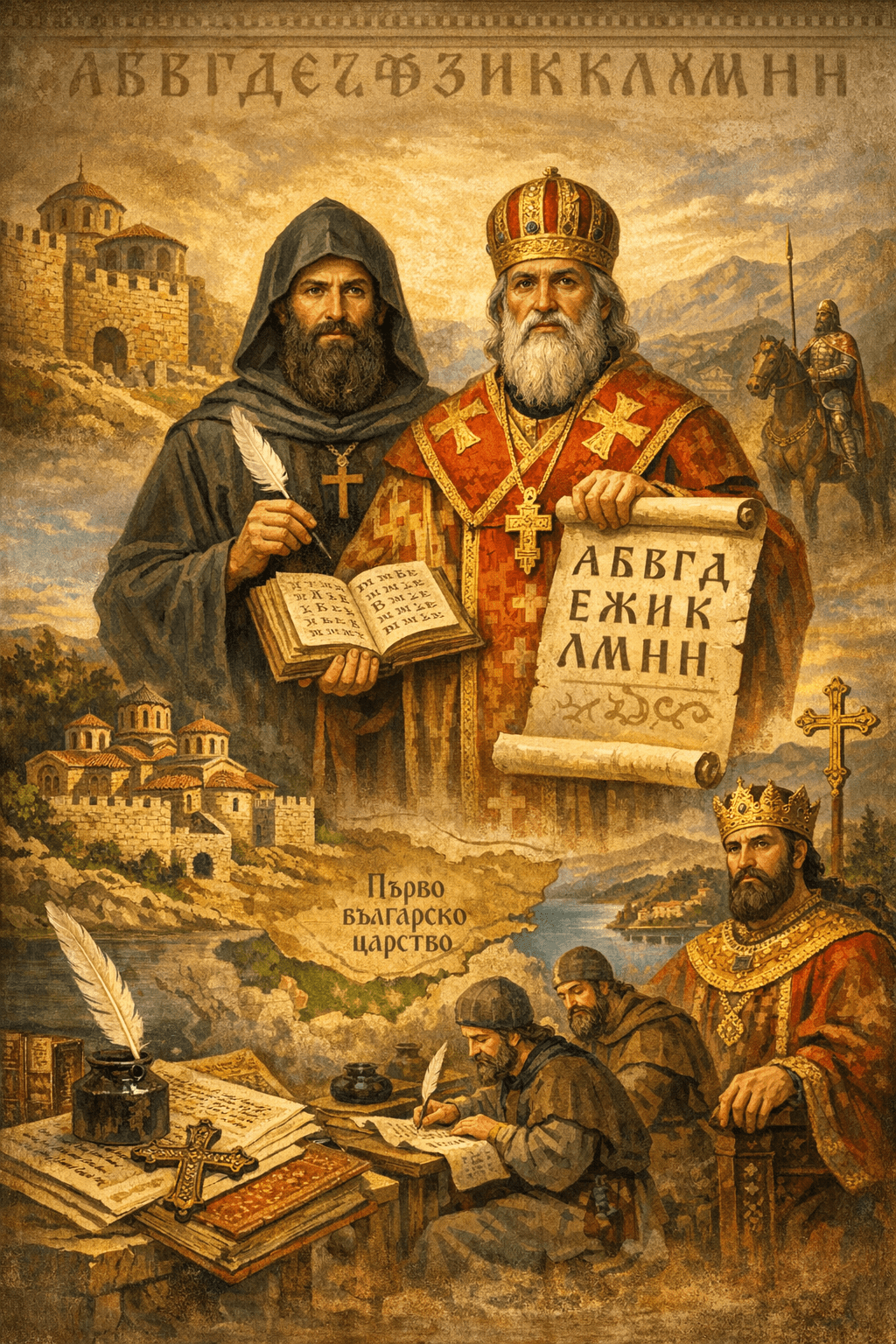
The invention of the Cyrillic alphabet stands as one of the most significant cultural achievements in European history, deeply connected to the spiritual and intellectual development of the Slavic world. Its origins trace back to the 9th century, during a time of growing need for a written system that could accurately represent the sounds of Slavic languages. The story begins with the brothers Saint Cyril and Saint Methodius, Byzantine scholars and missionaries sent to Great Moravia. Their mission was to spread Christianity among the Slavs in a language they could understand. To achieve this, Saint Cyril created the Glagolitic alphabet, the first known Slavic script. However, the Cyrillic alphabet itself was developed shortly after, most likely in the First Bulgarian Empire, particularly within the literary schools of Preslav and Ohrid. These centres of learning, supported by Tsar Boris I and later Tsar Simeon the Great, became the birthplace of a simplified and more practical script derived from Greek letters, enriched with additional signs to represent Slavic sounds. Named in honour of Saint Cyril, the Cyrillic alphabet was easier to learn and use than Glagolitic, which contributed to its rapid spread. It became the official script of the Bulgarian state and later expanded across Eastern Europe, influencing the cultural and religious identity of many nations, including Russia, Serbia, and Ukraine. The adoption of the Cyrillic alphabet marked more than just a linguistic development. It symbolised independence, literacy, and the rise of a distinct Slavic literary tradition. Religious texts, legal documents, and literary works were translated and created, allowing knowledge and faith to reach wider audiences. Today, the Cyrillic alphabet is used by over 250 million people across multiple countries. It remains a living testament to the vision of its creators and to Bulgaria’s crucial role in shaping European civilisation. Its legacy is not merely historical—it continues to define identities, preserve languages, and connect cultures across centuries. Създаването на кирилицата (Български) Създаването на Кирилица е едно от най-значимите културни постижения в европейската история, тясно свързано с духовното и интелектуалното развитие на славянския свят. Нейният произход води към IX век – време, в което възниква необходимостта от писменост, способна да предаде звуковете на славянските езици. Началото е поставено от братята Св. Кирил и Св. Методий – византийски учени и мисионери, изпратени във Великоморавия. Тяхната мисия е да разпространят християнството на разбираем за славяните език. За тази цел Св. Кирил създава глаголицата – първата славянска азбука. Самата кирилица възниква малко по-късно, най-вероятно в пределите на Първо българско царство, по-специално в книжовните школи в Преслав и Охрид. Тези центрове на просвета, подкрепяни от княз Борис I и по-късно от цар Симеон Велики, създават по-опростена и практична писменост, базирана на гръцката азбука и допълнена със знаци за специфичните славянски звуци. Наречена в чест на Св. Кирил, кирилицата бързо се утвърждава, тъй като е по-лесна за усвояване от глаголицата. Тя става официална писменост на българската държава и по-късно се разпространява в Източна Европа, оказвайки влияние върху културната и религиозна идентичност на народи като руснаци, сърби и украинци. Приемането на кирилицата е не просто езиков акт – то символизира независимост, просвета и началото на самостоятелна славянска книжовна традиция. Превеждат се богослужебни книги, създават се закони и литературни произведения, които достигат до широк кръг от хора. Днес кирилицата се използва от над 250 милиона души по света. Тя остава живо доказателство за визията на своите създатели и за ключовата роля на България в развитието на европейската цивилизация. Нейното наследство продължава да обединява култури и да съхранява езиците през вековете.

Bulgaria – The Hidden Crossroads of Civilisations

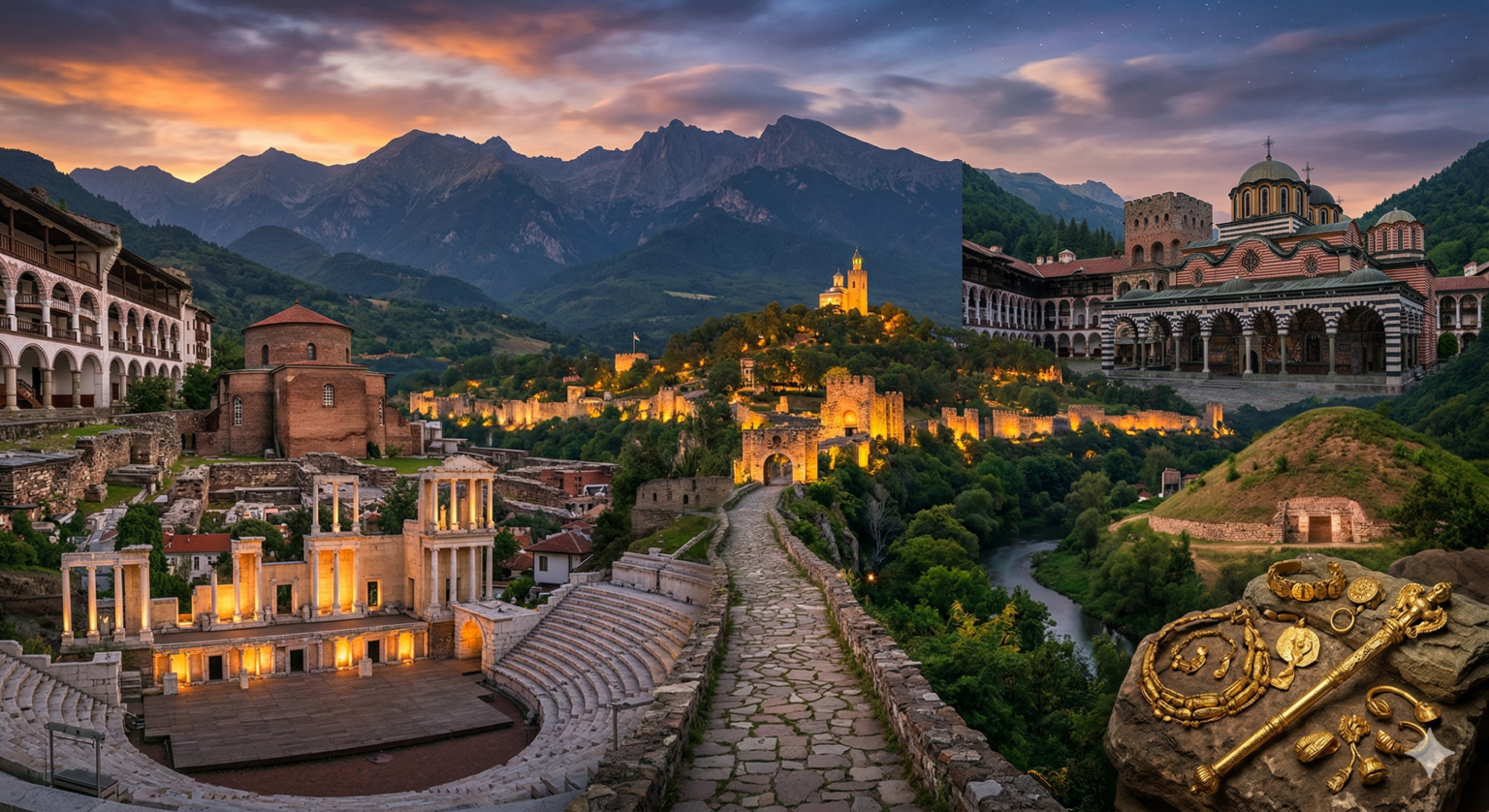
Bulgaria sits at a unique geographical and cultural intersection between Europe and Asia. Over thousands of years, it has been shaped by Thracians, Greeks, Romans, Slavs, and Bulgars—each leaving a lasting imprint on the land and its people. While the world flocks to the ruins of Rome or the pyramids of Egypt, a quieter, equally ancient story is etched into the landscape of the Balkans. Bulgaria is not just a destination; it is a geographic laboratory where the layers of human history are stacked so densely that a subway expansion in the capital often turns into a major archaeological rescue mission. From the world’s oldest processed gold to the birthplace of the Cyrillic script, Bulgaria sits at the literal and figurative crossroads of East and West. 1. Prehistoric Pioneers: The Varna Gold Long before the first stone was laid for the Great Pyramid of Giza, a sophisticated culture thrived on the shores of the Black Sea. In 1972, workers accidentally uncovered the Varna Necropolis, dating back to 4600–4200 BC. 2. The Mystical Thracians: Kings of the Valley The Thracians were the “barbarian” elite of the ancient world—fierce warriors and master goldsmiths mentioned by Homer in the Iliad. They left no written records, but their monumental tombs speak volumes. 3. Rome in the Balkans: Trimontium and Serdica When the Roman Empire expanded, they didn’t just conquer Bulgaria; they built upon its foundations. Plovdiv, one of the oldest continuously inhabited cities in the world, became the Roman jewel known as Trimontium. 4. The Medieval Might: A Cultural Conduit During the Middle Ages, Bulgaria rose as a superpower that challenged the Byzantine Empire. This “Golden Age” was defined not just by territory, but by an intellectual revolution. The Modern Crossroads Bulgaria remains a place where you can start your morning at a Neolithic dwelling, have lunch in a Roman amphitheater, and spend your evening in a medieval fortress. It is a land that doesn’t just display history—it lives within it. Traveler’s Tip: If you visit the Rila Monastery (Bulgaria’s largest), look for the intricate wood-carved “Rafail’s Cross.” It took a monk 12 years to carve 104 religious scenes and 650 miniature figures into a piece of wood—a testament to the patience and spiritual depth of this enduring crossroads. Whether you are drawn by the rugged Balkan peaks or the golden sands of the Black Sea, look beneath the surface. You’ll find a civilization that was here first, waiting to be rediscovered. This is most evident in cities such as Plovdiv, where ancient and modern coexist naturally. A Roman theatre stands alongside Ottoman-era houses and Bulgarian Revival architecture, creating a living narrative rather than a preserved exhibit. Bulgaria’s position as a crossroads has also shaped its mentality. It has learned to adapt, absorb, and endure. This has resulted in a culture that is both deeply rooted and quietly resilient. Unlike many parts of Europe where history feels distant or curated, in Bulgaria it remains part of everyday life. Traditions, architecture, and cultural memory are not separated from the present—they are integrated within it. This continuity gives Bulgaria a distinctive character. It is not simply a place shaped by history, but one that continues to live through it. Explore Further (Official Links) To dive deeper into the history or plan your trip, use these official resources: 💡 Quick Travel Tip If you’re visiting Sofia, don’t miss the Largo (between the Presidency and the Council of Ministers). It’s a free, open-air museum where you can walk on original Roman streets while looking up at the capital’s modern skyline—the ultimate “crossroads” experience.

Khan Asparuh: The Founder of Bulgaria and a Visionary Leader

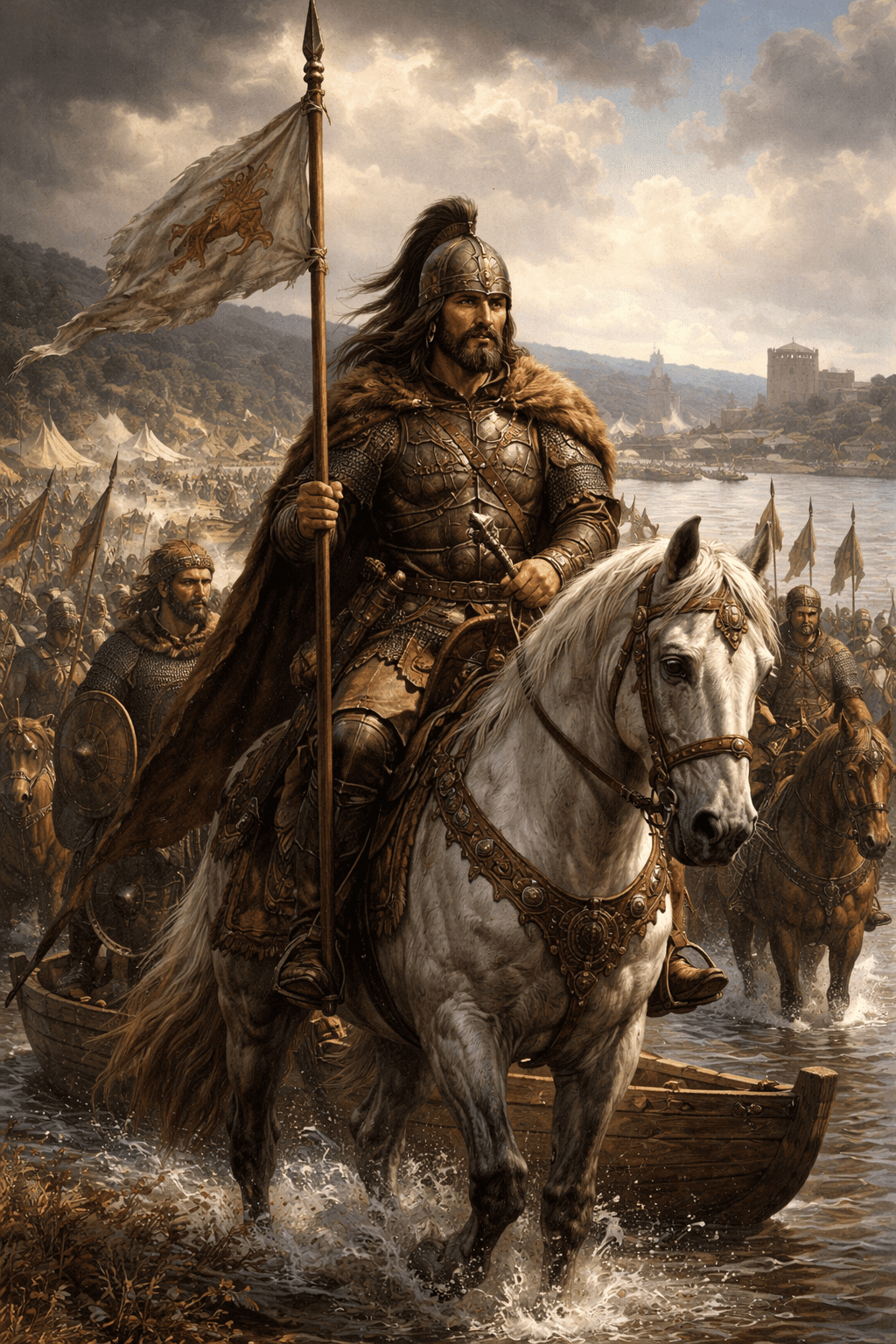
Khan Asparuh stands as one of the most significant figures in European history, remembered as the founder of the First Bulgarian Empire in 681 AD. His leadership not only shaped the destiny of the Bulgarian people but also established a state that would endure for centuries and influence the cultural and political landscape of Southeast Europe. Legacy That Endures The legacy of Khan Asparuh is deeply embedded in Bulgaria’s identity. His determination, courage, and foresight helped create a nation that has preserved its culture, language, and traditions for over thirteen centuries. Today, Bulgarians honor him not just as a historical figure, but as a symbol of resilience and national pride. His story reminds us that great nations are built not only through conquest, but through vision, unity, and enduring spirit. Why Khan Asparuh Still Matters Today In a modern world of shifting borders and identities, the story of Khan Asparuh resonates strongly. He represents the power of leadership rooted in purpose and the importance of cultural preservation. For Bulgaria, he is more than a founder—he is the beginning of a legacy.

Scroll to Top